Why EVs Fall Short for Light Fleets and How Hydrogen Mobility Solves the Range Problem
How Hydrogen Mobility Cuts Costs, Extends Range, and Transforms Light Fleets
In this Blog What You’ll Learn:
- Why EVs fall short for rickshaws and light fleets
- The real challenges slowing hydrogen adoption today
- How HyZero makes hydrogen safe, simple, and cost-effective
- The business benefits: lower costs, more uptime, and early advantage
Across the world, many small urban fleets are losing money every day. Rising fuel costs, limited charging infrastructure, and frequent vehicle downtime are eating into profits. According to the American Transportation Research Institute (ATRI) some fleets report operating margin losses of around 2–3%, driven by these rising costs and infrastructure challenges.
Electric vehicles promised a fix, but for many operators, they don’t deliver. Batteries run out too soon, charging takes too long, and upfront costs are hard to recover. Auto rickshaw drivers, for example, often can’t cover the 120–150 km they need to each day.
As cities grapple with rising congestion and emissions, urban fleets need solutions that balance sustainability with operational efficiency. Hydrogen mobility is emerging as a game-changer, particularly for light fleets where EVs fall short.
"Hydrogen and fuel cells are important parts of a diverse portfolio needed for our clean energy future.”
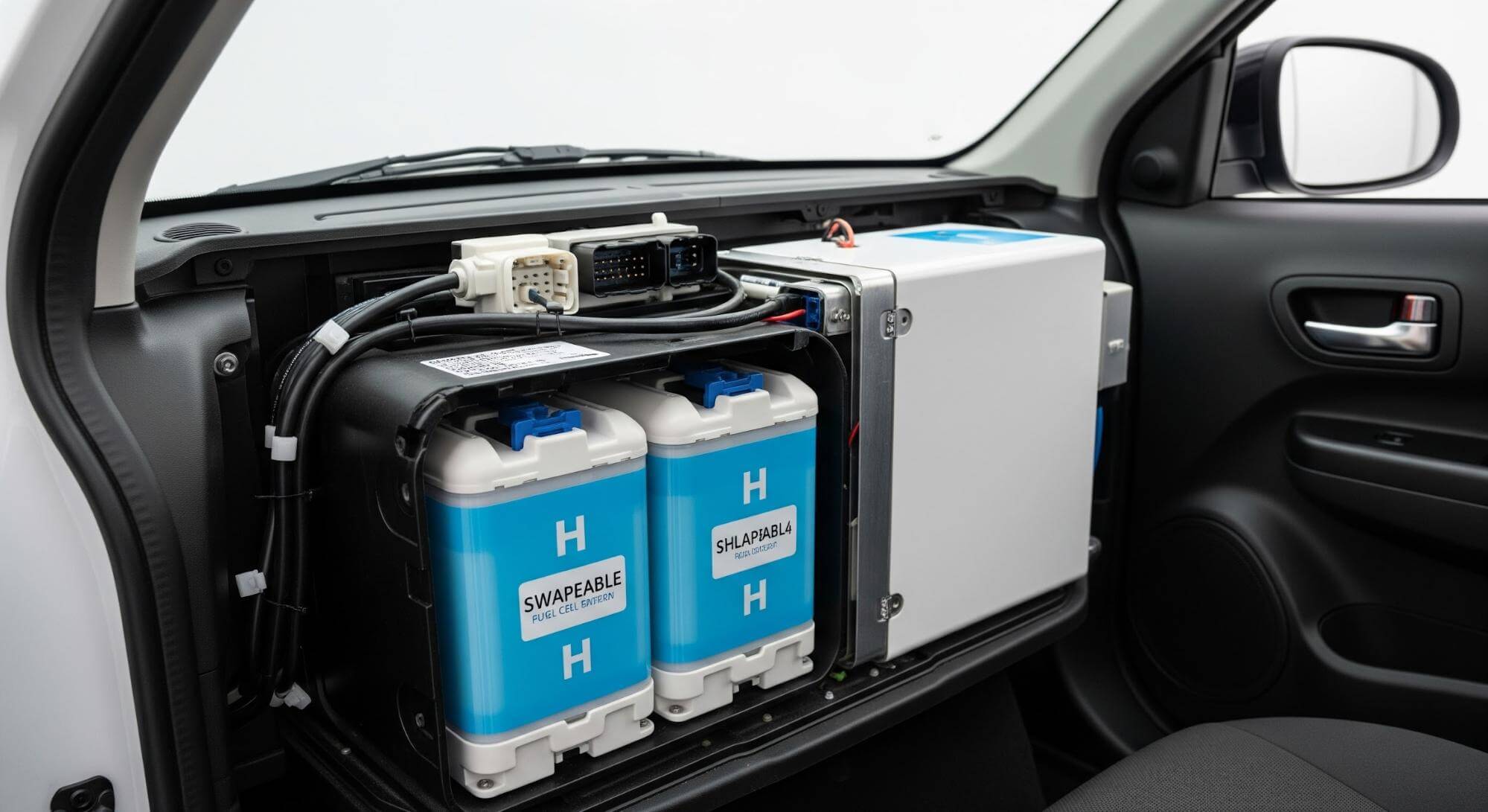
Why Light Vehicle Fleets Need Hydrogen Mobility
Running light fleets today is tough. High fuel bills, unreliable charging, and downtime put constant pressure on margins. For auto rickshaws that keep city life moving, these issues aren’t just business problems, they affect daily livelihoods.
Most urban EVs can travel only about 75 km per charge, while fleets often need 120–150 km to complete daily routes. Spending hours waiting to recharge isn’t feasible.
Hydrogen isn’t just about being green, it’s about keeping fleets efficient, reliable, and profitable. For auto rickshaws and light vehicles, hydrogen solves challenges EVs can’t: limited range, long charging times, and unpredictable operating costs.
With hydrogen, fleets can:
- Operate longer hours with fewer interruptions
- Refuel in minutes, not hours
- Maintain predictable costs
- Simplify operations for safer fleet management
- Reduce emissions and improve city air quality
What’s Slowing Hydrogen Mobility Adoption?
If hydrogen fuel cell vehicles work so well, why haven’t we seen large-scale adoption in light fleets? The answer is simple: barriers.
Common challenges:
- High setup costs: Expensive pilot projects
- Compressed hydrogen systems: Complex and risky
- Fragmented solutions: Fuel or technology supplied separately
- Operational concerns: Reliability and downtime issues
These hurdles have left many fleet managers sticking to EVs or even diesel, even though neither option truly solves their problems. Hydrogen mobility, however, offers significant benefits, including longer range, faster refueling, and predictable operating costs.
Overcoming these barriers with integrated solutions can unlock the full potential of hydrogen for light fleets, helping operators increase profitability, reduce emissions, and stay ahead in a rapidly evolving urban mobility landscape.

Industry studies, including the Hydrogen Council Report highlight that hydrogen adoption in light fleets lags behind buses and trucks due to high upfront costs and fragmented supply chains, even though operational benefits are clear. In fact, according to McKinsey and the Hydrogen Council’s vision scenario, hydrogen-powered fuel-cell vehicles could make up nearly 20% of the global vehicle fleet by 2050 underscoring the long-term growth potential despite current adoption barriers.
HyZero’s Hydrogen Mobility Ecosystem for Light Fleets
HyZero is removing these barriers with a ready-to-use hydrogen mobility ecosystem built for 3-wheelers and other light vehicles, offering complete hydrogen fuel cell systems that integrate swappable cartridges, local bio-hydrogen, and operational support.
Key Features:
- Plug-and-play fuel cell engines: Compact 1–10 kW units for easy integration.
- Swappable hydrogen cartridges: Refuel in minutes, not hours.
- Local bio-hydrogen: Made from organic waste to cut costs and emissions.
- Affordable pilots:Test programs at a significantly lower cost than usual
- Operationally safe:Hydrogen system designed for straightforward handling and storage.
HyZero in Action: Turning Hydrogen Advantages into Results
- Operate 3–4× farther than EVs per day
- Launch PoCs (compressed hydrogen systems) and pilots at 2–5% lower cost than traditional pilots
- Scale quickly with integrated technology, fuel, and support
- Gain first-mover advantage in hydrogen-powered light vehicles
Hydrogen adoption has often stalled because operators wait for infrastructure to mature. Yet, as Toyota’s hydrogen division president, Mitsumasa Yamagata, points out:
"Progress happens only when all stakeholders move together.”
HyZero accelerates this progress by combining innovative hydrogen products, technology, fuel supply, and operational support into one integrated solution, giving fleets a real early-mover advantage without waiting for external infrastructure.
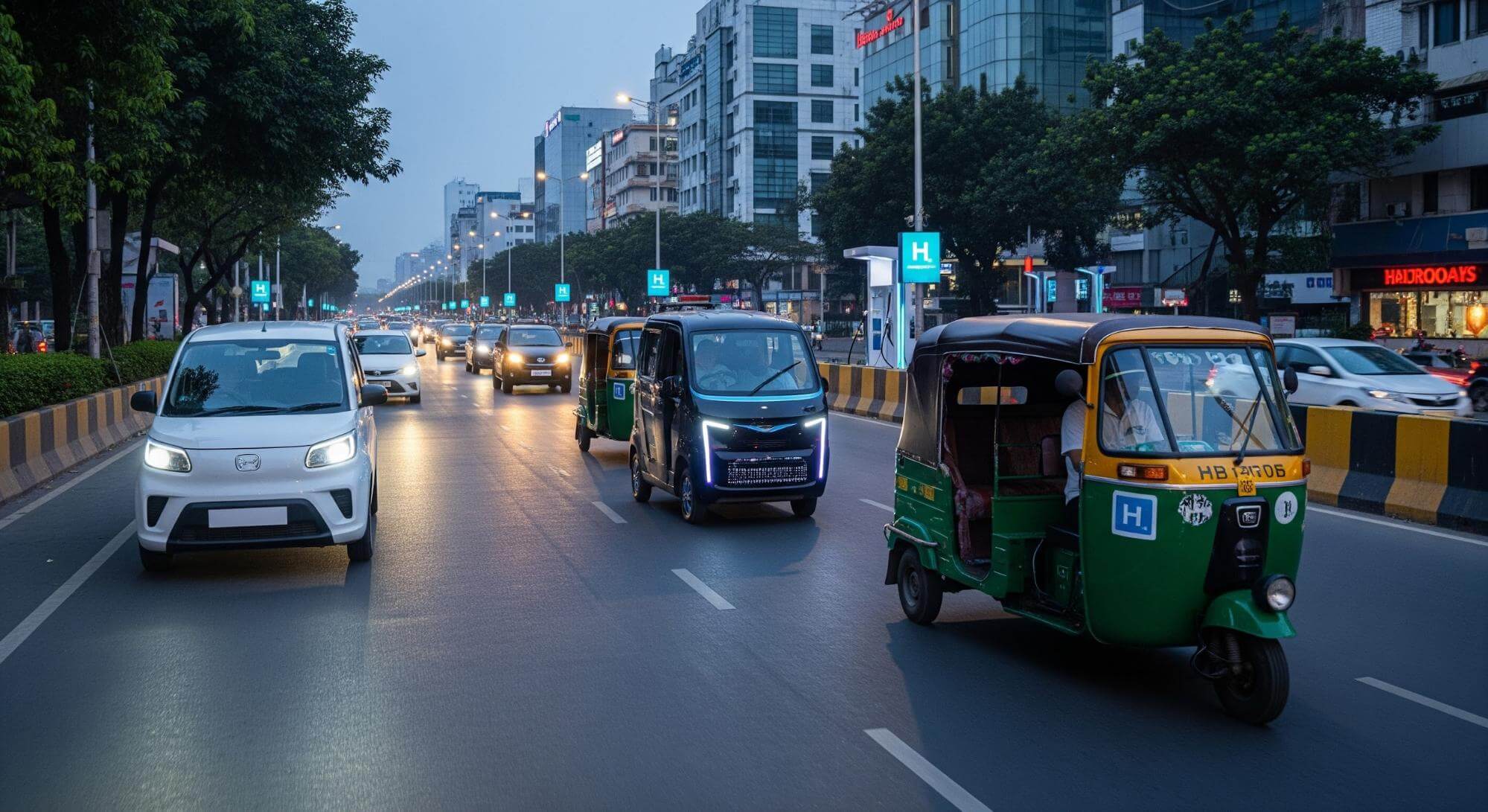
Why Does Hydrogen Mobility Matters Today?
Urban fleets face growing pressure from rising fuel costs, tight schedules, and stricter sustainability requirements. Hydrogen mobility is more than an alternative, it’s a smarter path forward. It helps fleets make money, stay efficient, and go green at the same time. By combining operational efficiency with environmental responsibility, hydrogen offers a practical solution for modern urban transport.
What sets it apart?
- Instant refueling with swappable cartridges
- No high-pressure systems to manage
- End-to-end ecosystem support
Hydrogen mobility is ready to deliver results today, helping fleets reduce operational challenges while shaping the future of 3-wheeler and light mobility, paving the way for a cleaner, more sustainable future.
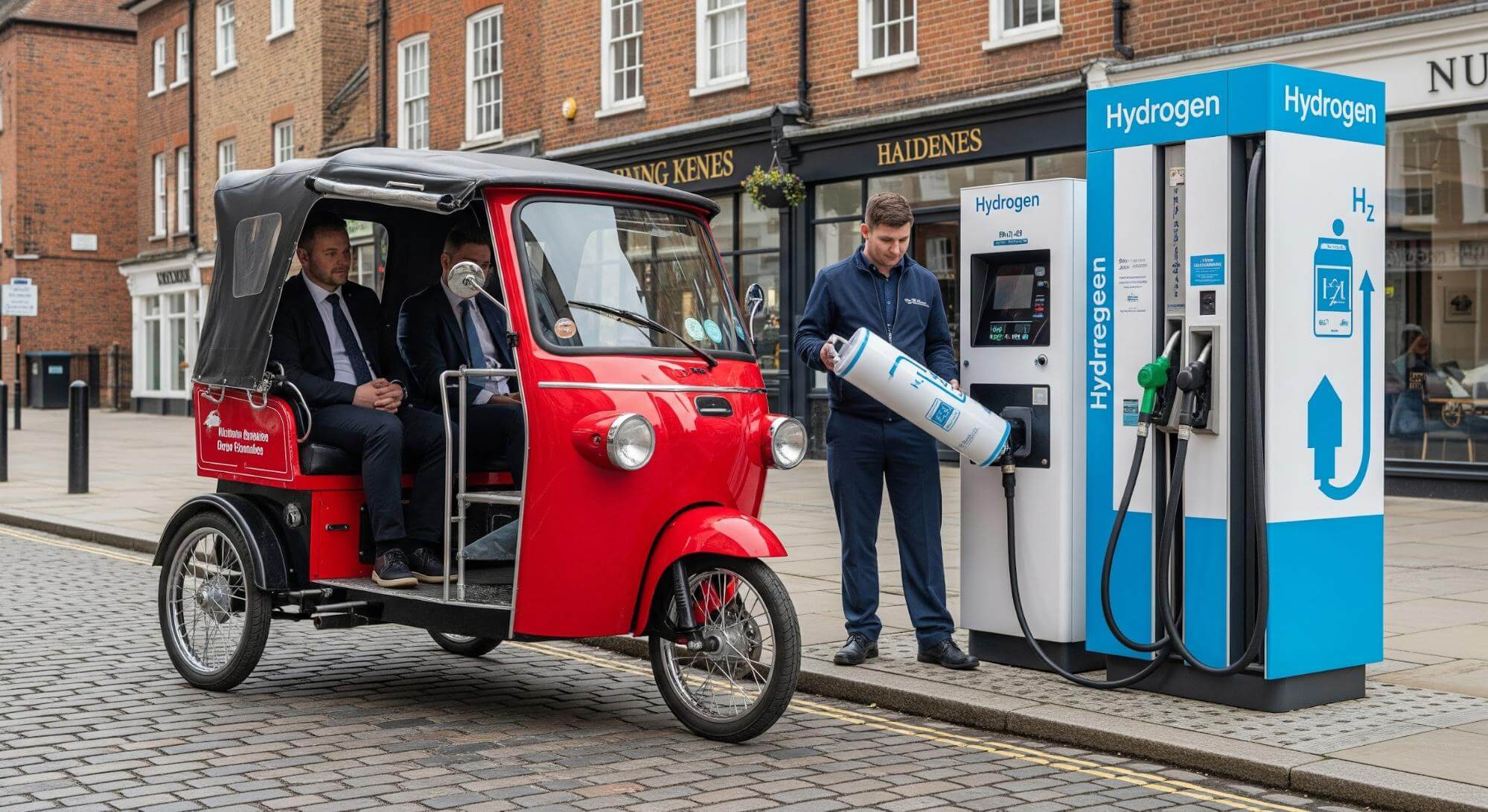
Join the Hydrogen Mobility Revolution with HyZero
At HyZero we’re helping fleets and OEMs move beyond pilot projects into real, profitable hydrogen operations.
Whether you run a fleet, build vehicles, or supply energy, this is your chance to lead. Together, we can reshape urban transport into something cleaner, smarter, and more profitable.
FAQs on Hydrogen Mobility
Why is hydrogen mobility important?
Hydrogen mobility offers clean, sustainable transport by using hydrogen fuel cells, reducing emissions, cutting operating costs, and supporting long-range, fast-refueling vehicle operations.
What are the key advantages of hydrogen energy over electricity or diesel?
Hydrogen offers longer daily range, 2–3 minute refueling, lower operating costs, and zero emissions, making it more scalable for fleets.
How do hydrogen fuel cell vehicles compare to electric vehicles for auto rickshaws?
Hydrogen fuel cell vehicles outperform EVs in critical areas:
- Range: Hydrogen rickshaws cover 120–150 km per day, double most EVs.
- Refueling time: Just minutes, compared to several hours for EV charging.
- Downtime: Lower, since fleets stay in service longer.
For auto rickshaw drivers, this means more trips, higher income, and predictable costs.
Why should fleets and OEMs choose HyZero for hydrogen mobility?
HyZero is the only provider offering 1–10 kW hydrogen fuel cell systems tailored for light fleets. With plug-and-play engines, swappable cartridges, local bio-hydrogen, and end-to-end support, fleets can launch pilots at a fraction of normal costs. HyZero combines technology, fuel supply, and ecosystem support, removing the barriers that slow adoption elsewhere
Powered by MarketEngine from StartupWind