Why Hydrogen Fuel Cell Systems Are the Future of 3-Wheelers and Light Mobility
Hydrogen Fuel Cell Systems for 3-Wheelers Cut Costs, Reduce Downtime, and Boost Efficiency
In this blog, you’ll learn:
- Why EVs Fall Short Compared to Hydrogen Fuel Cell Systems
- How hydrogen fuel cell systems solve range and downtime challenges
- Benefits of a complete hydrogen ecosystem for fleets
- The future impact of hydrogen on urban and industrial light mobility
The global hydrogen fuel cell vehicle market is projected to grow from USD 1.5 billion in 2024 to USD 15.9 billion by 2034, at a CAGR of 27.2% This surge underscores the increasing adoption of hydrogen solutions in various sectors, including light mobility.
Light vehicles, such as 3-wheelers, golf carts, and small fleets, are the backbone of last-mile connectivity and short-range logistics. But both traditional fuels and electric vehicles (EVs) have failed to deliver an ideal solution. Diesel and Compressed Natural Gas (CNG) options are not only emission-heavy but also increasingly expensive to operate. On the other hand, EVs, despite their eco-friendly image, face range, downtime, and cost challenges that limit their adoption in this segment. Forward-thinking companies are exploring integrated hydrogen solutions that combine compact fuel cells, swappable energy cartridges, accessible hydrogen refueling stations, and local renewable hydrogen production, making urban and industrial mobility practical, efficient, and cost-effective.
This is where hydrogen fuel cell systems come in, offering extended range, faster refueling, and lower total cost of ownership. They are reshaping what’s possible for urban transport and industrial fleet operators alike, showing how integrated hydrogen solutions can make light mobility practical, efficient, and ready for real-world deployment.
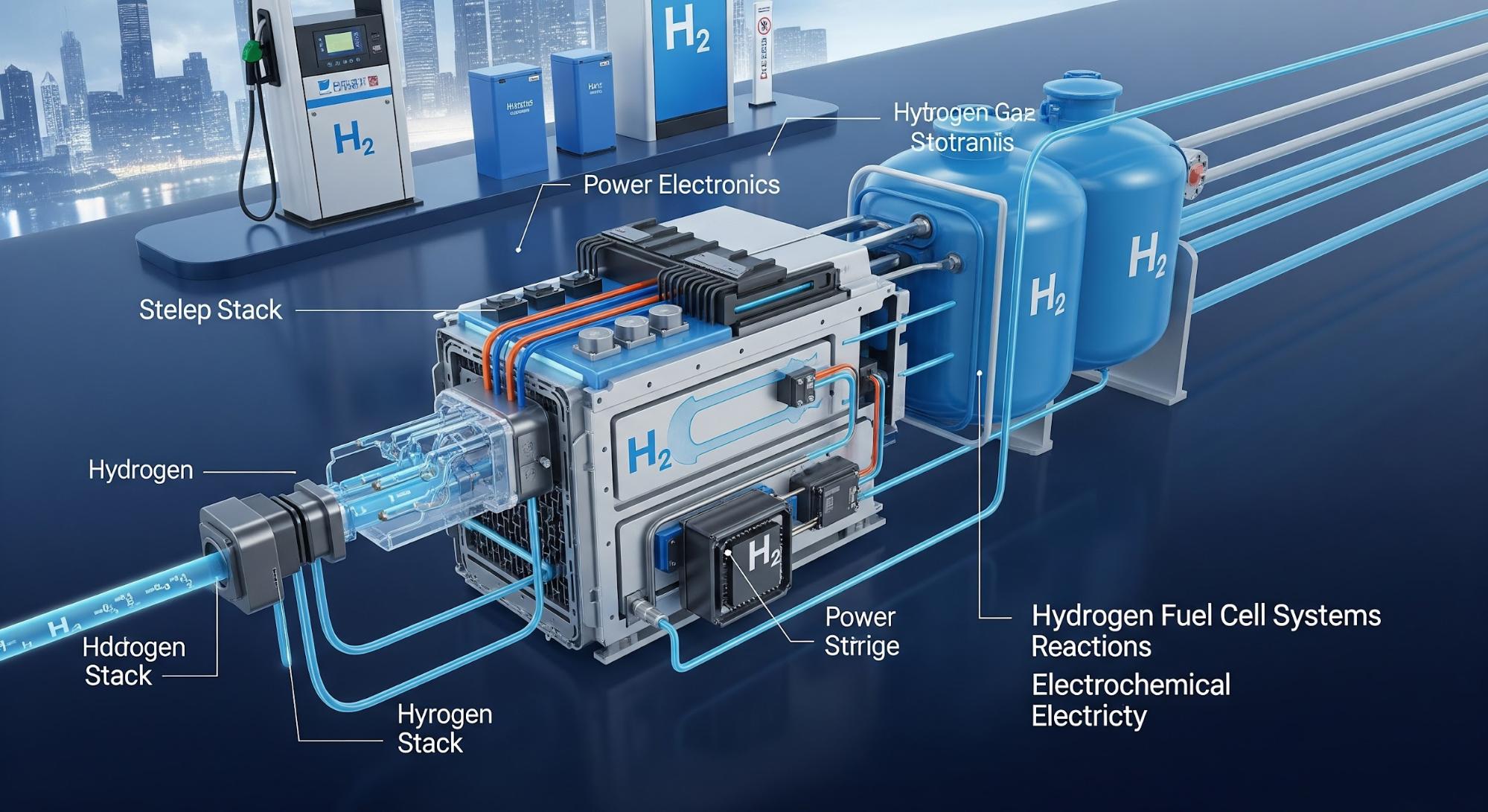
Global Adoption of Hydrogen Fuel Cell Systems in Light Mobility
Hydrogen energy is no longer a distant possibility; it is entering mainstream adoption. Several global trends are accelerating the shift toward hydrogen fuel cell systems:
- Rising Adoption: Hydrogen fuel cell systems are moving from pilot projects to commercial deployment, with fleet operators, urban transport providers, and industrial users increasingly integrating them into daily operations.
- Infrastructure Expansion: Asia Pacific currently leads the world with 849 hydrogen charging stations, over 60% of the global total. Europe and the U.S. are scaling up rapidly, targeting fleets and industrial users.
- Government Support: On August 30, 2024, the U.S. Department of Energy announced nearly $62 million for 20 projects in 15 states to advance next-generation clean hydrogen technologies.
- OEM Commitment: Global automakers are embracing hydrogen. Hyundai’s HTWO brand and Toyota’s hydrogen initiatives are proof that major OEMs see hydrogen not as a side bet, but as a pillar of future mobility.
Why EVs Fall Short Compared to Hydrogen Fuel Cell Systems
Electric vehicles have made impressive strides in passenger cars, but the transition hasn’t been as smooth for light mobility vehicles like 3-wheelers, small fleets, and industrial utility carriers. Despite the promise of cleaner, cheaper transport, adoption has slowed due to a mix of practical and economic hurdles.
The main reasons behind this slowdown include:
- Range Limitations: Most EV 3-wheelers can only cover 75–100 km per charge, whereas daily operations in urban delivery often exceed 120–150 km. Drivers either face lost income from reduced trips or require mid-day recharging, which isn’t practical.
- Long Downtime: With charging times of 6–8 hours, EV fleets can lose an entire shift of productivity. For fleet operators, this translates to higher costs and reduced efficiency.
- Battery Costs: Lithium-ion batteries need replacement every 4–5 years, making the total cost of ownership (TCO) for EV fleets significantly higher than anticipated.
- Infrastructure Strain: Large-scale EV adoption requires extensive charging infrastructure and power availability, which remains a bottleneck in many regions.
This combination of challenges has slowed EV penetration in the light mobility segment, leaving fleet operators searching for alternatives. The real challenge isn’t the fuel cell itself, but having a fully integrated ecosystem, compact fuel cells, swappable energy cartridges, strategically located refueling stations, to keep vehicles running reliably. Such integrated solutions are now making hydrogen adoption practical and efficient.
How Hydrogen Fuel Cell Systems Solve Range and Downtime Challenges
For fleet operators, range limitations and long charging downtimes remain the biggest hurdles with EV adoption. Hydrogen fuel cell systems directly address the EV shortcomings.
Here’s how:
- Extended Range: A hydrogen-powered 3-wheeler can cover 200–300 km per refuel, making it more than sufficient for last-mile delivery, passenger transport, and industrial operations.
- Fast Refueling:Hydrogen refueling takes 5–10 minutes, similar to filling a CNG tank, ensuring fleets maximize uptime.
- Lower Lifecycle Costs: Hydrogen systems require minimal maintenance and last longer than EV batteries, reducing replacement costs and improving overall TCO.
- Versatility: Unlike EVs restricted by range and load, hydrogen fuel cell systems can be applied to multiple segments, from urban 3-wheelers and forklifts to golf carts, utility fleets, and warehouse vehicles.
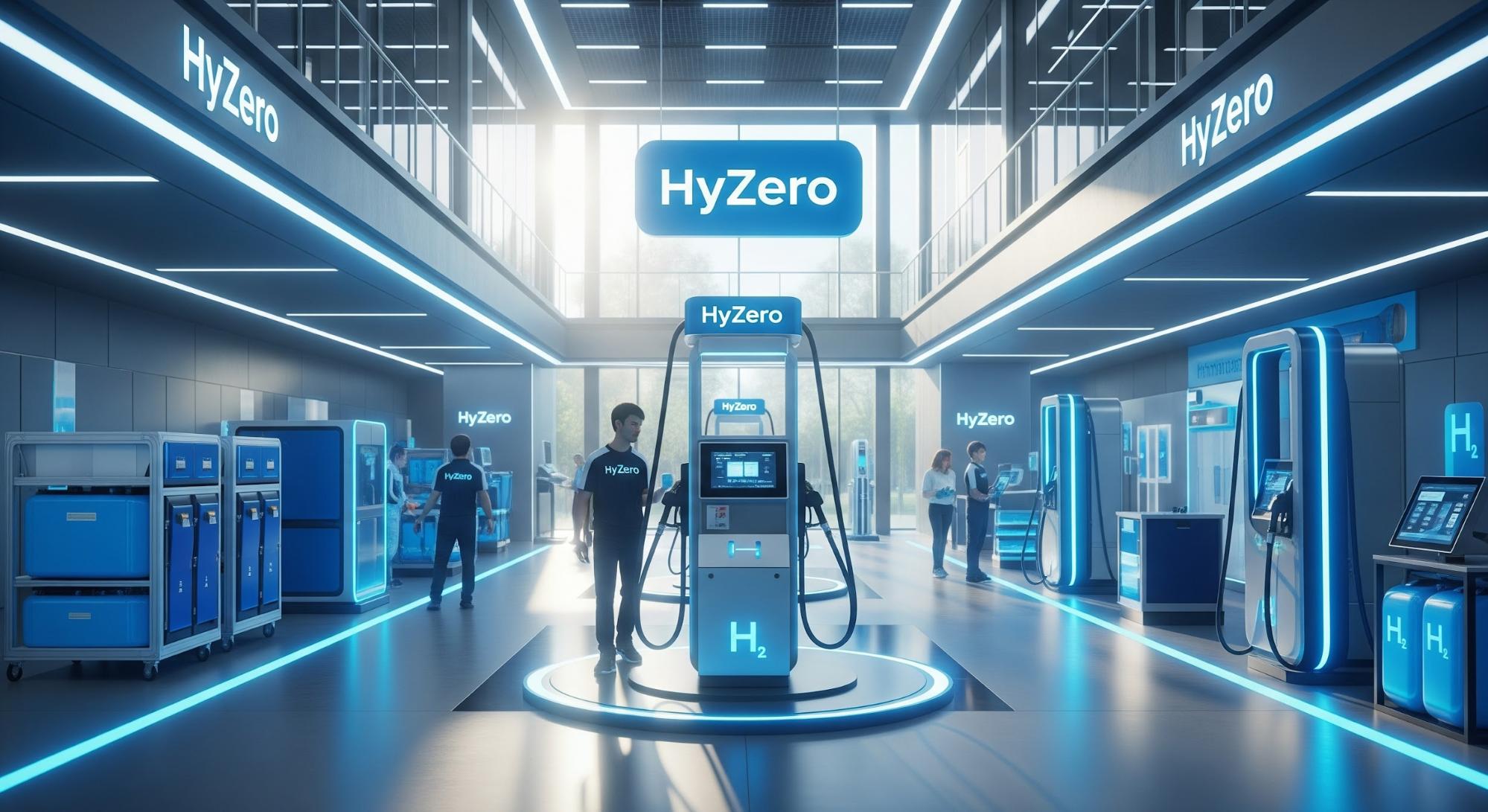
By overcoming range anxiety and downtime inefficiencies, hydrogen makes fleet economics far more attractive, while also providing a greener, more scalable solution than EVs. Beyond these improvements, an integrated system with swappable cartridges, localized biohydrogen, and accessible charging ensures fleets maintain continuous operations and scale efficiently.
HyZero is one of the first companies to deliver a fully integrated hydrogen ecosystem that brings together:
- Hydrogen Fuel Cells: Compact 1–10 kW units specifically engineered for light vehicles, rather than adapting large systems built for cars and trucks.
- Refillable Cartridges: Quick cartridge swaps eliminate downtime and allow vehicles to continue operations without waiting at a station.
- Hydrogen Charging Stations: Strategically located stations ensure operators can access hydrogen easily, without the high costs of building traditional refueling infrastructure.
- Biohydrogen Production: Localized, renewable hydrogen production reduces carbon footprints while avoiding dependence on imported fuels.
This ecosystem enables OEMs and fleet operators to adopt hydrogen mobility without high upfront costs. By integrating hydrogen charging stations, implementation becomes easier and more practical. ”Proof-of-Concept projects can be run at just 2–3% of traditional costs, and pilot programs at 3–5%, significantly lowering the entry barrier.
Why Light Vehicles Need Hydrogen Fuel Cell Systems for Daily Operations
Sustainability is no longer optional, governments, corporations, and cities are demanding clean energy adoption. HyZero is leading this shift by delivering complete hydrogen fuel cell systems that make clean mobility practical and scalable:
- Emission-Free Operations: Vehicles emit only water vapor, contributing to cleaner air and healthier cities.
- Reduced Fossil Dependency: Fleets can move away from diesel and CNG while meeting ESG and net-zero targets.
- Operational Efficiency: HyZero systems cut downtime and maintenance costs, delivering both environmental and business value.
- Safety Innovations:HyZero’s atmospheric-pressure systems eliminate compression risks, making hydrogen safer and more cost-effective than conventional high-pressure alternatives.
This alignment of HyZero’s solutions with green benefits and operational savings makes hydrogen adoption and emission-free power solutions a win-win for both business and the environment.
The Next 10 Years: How Hydrogen Energy Will Transform Light Mobility
The decade ahead (2025–2035) will see hydrogen mobility move from early adoption to large-scale deployment.
Key outcomes include:
- Minimal Downtime: Fleets will be able to operate continuously, with short refueling cycles ensuring maximum utilization.
- Cost Leadership: Lower TCO will make hydrogen fleets economically superior to both diesel and EV alternatives.
- First-Mover Advantage: Companies that adopt hydrogen early will secure a competitive edge in the growing hydrogen economy.
- Urban Transformation: Hydrogen-powered fleets will contribute to cleaner, quieter, and healthier cities.
- Industrial Adoption: Beyond urban transport, hydrogen will expand into warehouses, material handling, and portable power, transforming how industries manage mobility and energy.
Hydrogen fuel cell systems will not just support fleets, they will redefine how cities and industries think about light mobility.
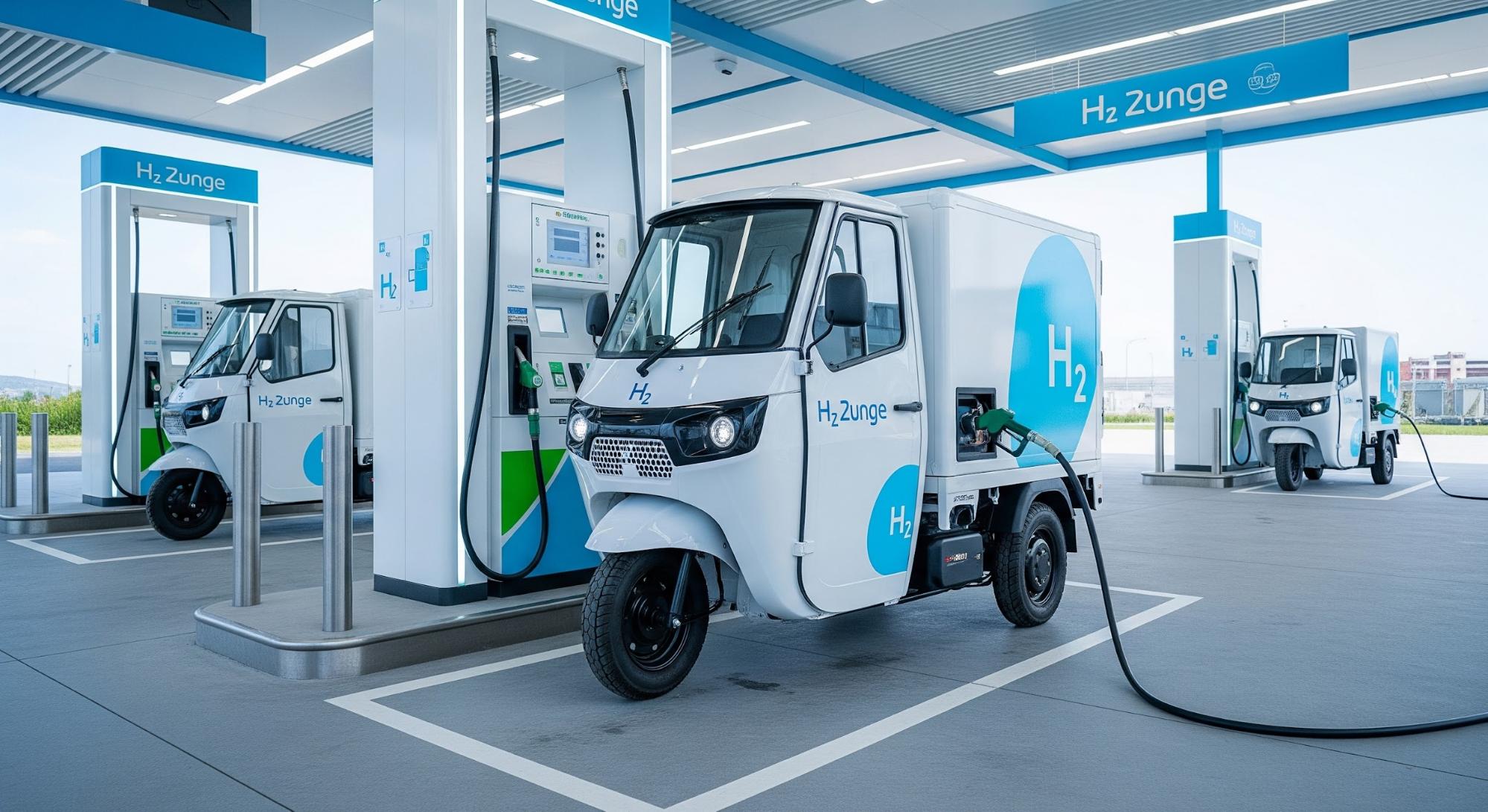
Partner with HyZero: Leading the Hydrogen Energy Revolution
For OEMs, fleet operators, and industrial equipment providers, HyZero offers a ready-to-deploy hydrogen solution:
- Purpose-built fuel cells for 3-wheelers and light vehicles
- Refillable cartridges for uninterrupted operations
- Accessible hydrogen charging stations
- Localized biohydrogen for lower costs and emissions
- Run proof-of-concepts at considerably lower than standard costs
- Launch pilot programs at significantly below the standard costs
- Scale operations confidently with a complete hydrogen ecosystem
- Meet ESG commitments while reducing operating expenses
Partnering with HyZero ensures faster, safer, and more affordable hydrogen mobility adoption, helping organizations lead the transition to a greener, more efficient future.
FAQs on Hydrogen Fuel Cell Systems
How do hydrogen fuel cells benefit light mobility vehicles like 3-wheelers?
Hydrogen fuel cell systems extend the range of light vehicles, allowing them to cover 200–300 km per refuel, far beyond typical EV limits. They also support fast refueling in 5–10 minutes, reduce downtime, and lower total operating costs, making them ideal for urban fleets, rickshaws, and small industrial vehicles.
What role does biohydrogen play in hydrogen mobility?
Biohydrogen, produced from renewable resources or organic waste, reduces reliance on fossil fuels, lowers operating costs, and supports zero-emission fleets. By using locally produced biohydrogen, companies can ensure a steady hydrogen supply for 3-wheelers and light vehicles while contributing to sustainable urban mobility.
How does HyZero support hydrogen mobility for fleets?
HyZero provides a complete hydrogen ecosystem for fleets, including plug-and-play fuel cells, swappable cartridges, localized biohydrogen production, and accessible hydrogen charging stations. This allows fleet operators to run proof-of-concepts and pilot programs cost-effectively while achieving cleaner, zero-emission operations.
Powered by MarketEngine from StartupWind