6 Ways Hydrogen Fuel Cell Vehicles Reduce Total Fleet Operating Costs
Commercial fleets face rising fuel costs, tighter emissions regulations, and increasing pressure to maintain uptime. Hydrogen fuel cell vehicles offer a promising solution by combining fast refueling, long driving range, and lower operational costs compared with many traditional fleet powertrains.
Start Reducing Fleet Costs Today!
Imagine a fleet that refuels in minutes, runs longer routes without interruption, avoids peak electricity charges, and emits nothing but water vapor. That is the operational shift hydrogen fuel cell vehicles are enabling across modern fleet operations.
This challenge also presents a clear opportunity. Hydrogen fuel cell technology offers a fundamentally different approach to energy replenishment, one designed for speed, consistency, and operational continuity. In this article, we explain why hydrogen refueling outperforms EV charging and what this means for real-world mobility. By understanding these differences, readers can better evaluate hydrogen fuel cell vehicles as a practical alternative for time-sensitive use cases.
Fleet economics are under pressure. For operators planning multi-vehicle expansion, the question is no longer whether to decarbonize, but how to scale operations without inflating cost per kilometer. In many operations, fuel alone consumes nearly 30% of total expenses. Meanwhile, compliance requirements continue to increase.
Hydrogen fuel cells generate electricity through an electrochemical reaction between hydrogen and oxygen. The process produces electricity to power the vehicle while emitting only water vapor as a byproduct. Because hydrogen can be refueled quickly and provides high energy density, fuel cell vehicles are increasingly attractive for commercial fleet operations.
Hydrogen fuel cells are now powering a new generation of hydrogen fuel cell vehicles that combine uptime, efficiency, and emission compliance. Yet many fleet operators still underestimate how significantly hydrogen mobility can reshape operating costs.
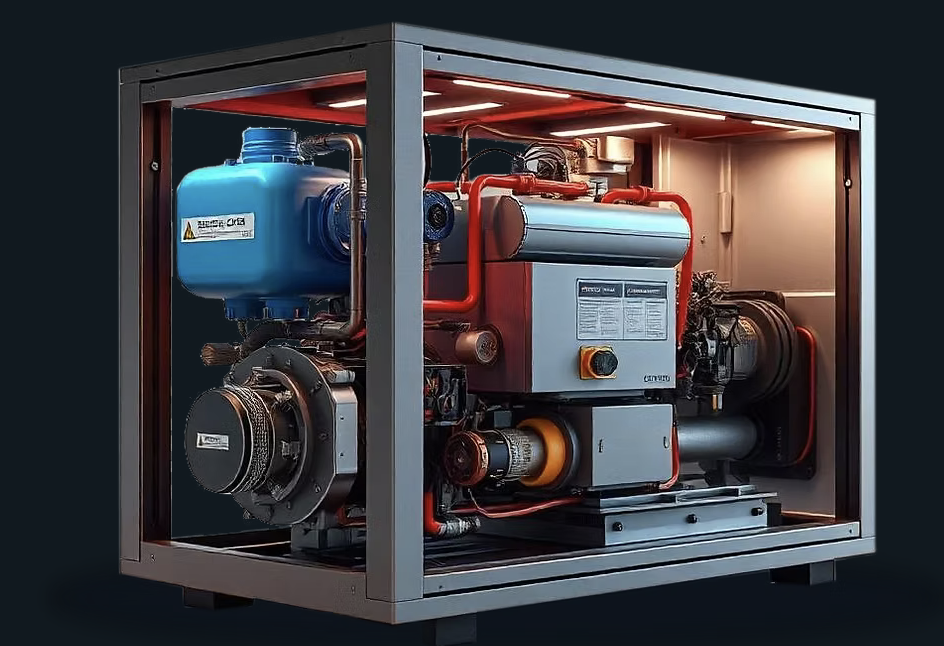
Modular hydrogen fuel cell system designed to power hydrogen fuel cell vehicles and support scalable fleet operations with efficient, low-emission energy.
Before diving into the details, here’s what hydrogen fuel cell vehicles are already improving:
- Faster refueling and higher uptime
- Longer range with optimized payload
- Lower maintenance complexity
- Greater fuel efficiency
- Reduced facility energy expenses
- Zero-emission compliance advantages
Now let’s break down exactly how.
6 Operational Advantages of Hydrogen Fuel Cell Vehicles
To make informed investment decisions, fleet owners must look beyond assumptions and focus on measurable outcomes. Here are six cost-saving realities driving hydrogen mobility adoption.
1. Rapid Refueling for Higher Fleet Productivity
What is it?
For fleet operators running tight delivery windows and multi-shift schedules, hydrogen fuel cell vehicles allow refueling in 5–10 minutes at a centralized depot or refill point. Unlike EV charging that requires scheduled downtime, hydrogen refueling fits into existing diesel-style turnaround workflows, minimizing operational disruption.
Why does it matter?
Every minute a fleet vehicle remains idle, revenue potential declines while fixed operating costs continue. These fuel cell-powered fleets refuel in minutes rather than hours, directly increasing daily asset utilization and trip completion rates. For multi-shift or high-frequency urban operations, reclaiming even 60–90 minutes per vehicle per day can unlock additional route cycles without expanding fleet size. That operational leverage improves revenue per asset while reducing the need for backup vehicles and additional capital expenditure.
Real-World Example
A delivery fleet operating multiple shifts can refuel hydrogen vehicles quickly between routes, allowing trucks to return to service almost immediately instead of waiting hours for charging.
A delivery fleet operating multiple shifts can refuel hydrogen vehicles quickly between routes, allowing trucks to return to service almost immediately instead of waiting hours for charging.
Pro Tip
Model daily vehicle utilization under three scenarios, diesel, battery electric, and hydrogen fuel cell vehicles. Calculate additional trips enabled by 5–10 minute refueling versus multi-hour charging delays. Even a 10–15% increase in uptime can significantly improve revenue per vehicle annually.
2. Extended Range and Greater Payload Capacity
What is it?
Hydrogen fuel cell vehicles use compact hydrogen-powered fuel cells instead of large battery packs. This means your vehicles can maintain full cargo capacity without sacrificing range. For logistics fleets running fixed intercity routes or high-mileage urban loops, this translates into fewer refueling stops and uninterrupted route planning.
Why does it matter?
Range and payload directly influence cost per kilometer and revenue per trip. Fuel cell vehicles maintain longer driving range without heavy battery packs that reduce cargo capacity, allowing fleets to carry full loads without mid-shift interruptions. Fewer refueling stops and preserved payload capacity translate into better route predictability, higher delivery efficiency, and improved revenue generation per vehicle.
Fuel cells convert hydrogen into electricity more efficiently than combustion engines convert fuel into mechanical energy. This higher efficiency can translate into lower energy costs per kilometer for certain fleet applications. Hydrogen can also offer long-term price stability when produced locally or sourced through dedicated supply agreements.
Real-World Example
The hydrogen fuel cell vehicles market grew from USD 2.87 billion in 2025 to USD 4.12 billion in 2026, signaling rising commercial confidence in hydrogen mobility for high-utilization transport segments requiring longer range and operational continuity.
The hydrogen fuel cell vehicles market grew from USD 2.87 billion in 2025 to USD 4.12 billion in 2026, signaling rising commercial confidence in hydrogen mobility for high-utilization transport segments requiring longer range and operational continuity.
Pro Tip
Run route density analysis across your top-performing delivery corridors. Identify routes exceeding 120–150 km daily duty cycles. Hydrogen fuel cell vehicles often deliver stronger ROI in high-mileage operations where battery weight or mid-shift charging limits payload efficiency.
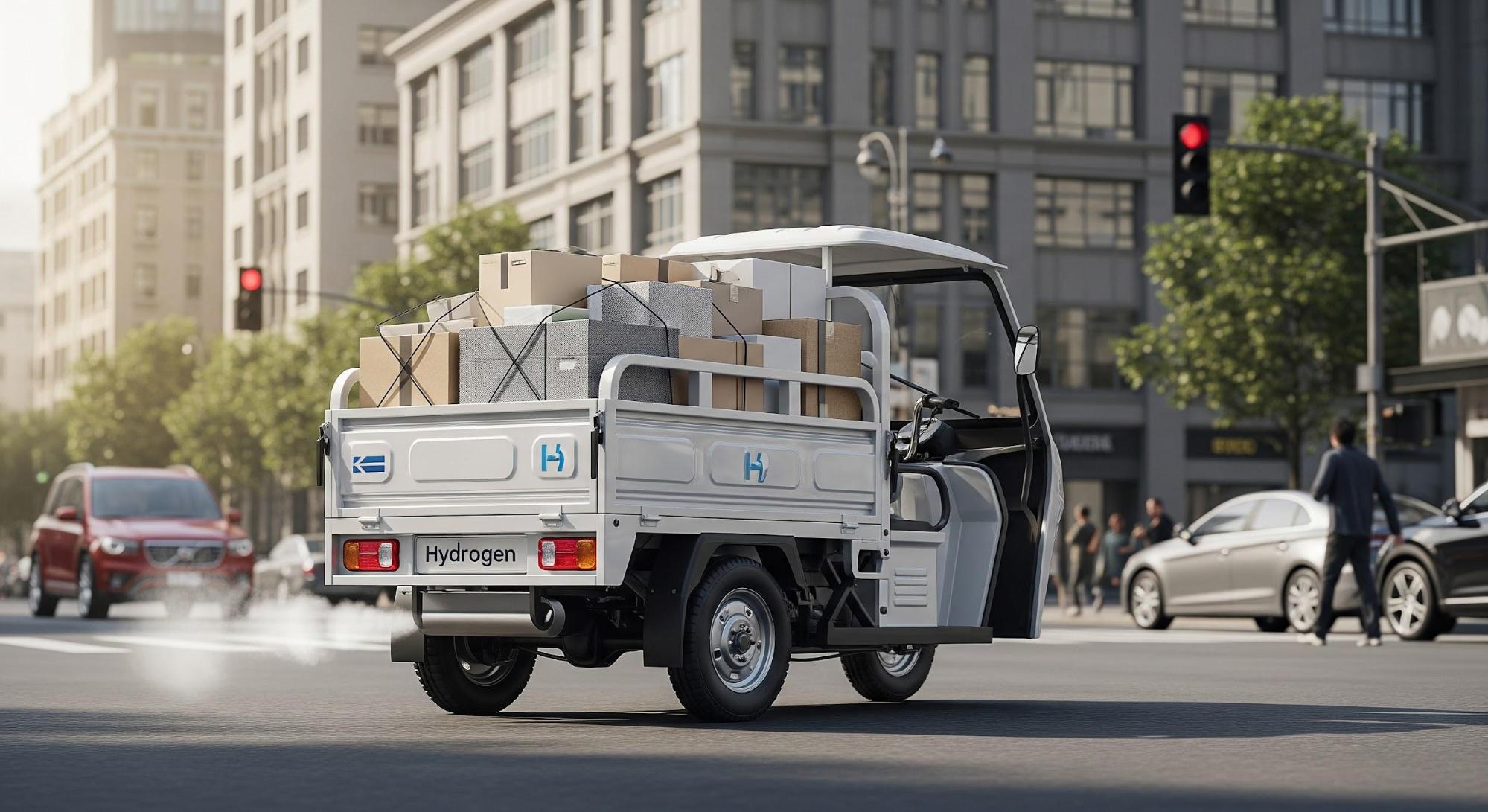
Hydrogen fuel cell vehicles in 3-wheeler fleets deliver extended range and uninterrupted daily operations without sacrificing payload capacity.
3. Lower Maintenance Expenses with Simplified Systems
What is it?
Hydrogen fuel cells eliminate many components that traditionally drive fleet maintenance, no oil systems, no complex exhaust after-treatment, and fewer high-wear moving parts. For fleet managers tracking service intervals and downtime metrics, this means fewer workshop visits and more predictable servicing schedules.
Why does it matter?
Maintenance costs go beyond parts; they include downtime, missed routes, and operational disruption. Hydrogen fuel cells eliminate combustion components like oil systems and exhaust treatment, reducing wear and service complexity. Fewer moving parts mean more predictable maintenance, fewer breakdowns, and higher fleet availability, helping operators control long-term operating costs.
Real-World Example
The global fuel cell market powering hydrogen-powered fuel cells increased from USD 12.94 billion in 2025 to USD 16.77 billion in 2026, driven by mobility deployments emphasizing reduced mechanical complexity and long-term operational reliability in fleet transport.
The global fuel cell market powering hydrogen fuel cells increased from USD 12.94 billion in 2025 to USD 16.77 billion in 2026, driven by mobility deployments emphasizing reduced mechanical complexity and long-term operational reliability in fleet transport.
Pro Tip
Analyze 24-month maintenance data and isolate combustion-related costs. Compare with hydrogen fuel cells’ reduced service needs. Fewer moving parts in fuel cell-powered vehicles mean lower downtime and improved fleet availability.
4. Higher Energy Efficiency and Reduced Fuel Consumption
What is it?
Hydrogen fuel cells generate electricity through an electrochemical process rather than combustion. For your fleet, this means more usable energy per unit of fuel, especially in stop-and-go urban driving cycles where efficiency losses typically occur in diesel engines.
Why does it matter?
Fuel volatility can quickly erode fleet margins. These fuel cell vehicles improve usable energy efficiency, particularly in stop-and-go urban conditions, helping reduce fuel cost per kilometer. More importantly, they allow fleet managers to model energy expenses with greater predictability across multi-year contracts, protecting profitability against diesel price fluctuations and long-term market volatility.
Real-World Example
Industry forecasts show hydrogen fuel cell vehicle revenues rising from USD 2.99 billion in 2025 to USD 3.68 billion in 2026, a 25.83% year-over-year increase, reflecting growing recognition of hydrogen fuel cells as efficient alternatives in commercial transport.
Industry forecasts show hydrogen fuel cell vehicle revenues rising from USD 2.99 billion in 2025 to USD 3.68 billion in 2026, a 25.83% year-over-year increase, reflecting growing recognition of hydrogen fuel cells as efficient alternatives in commercial transport.
Pro Tip
Fleet managers should evaluate route density and depot locations when planning hydrogen infrastructure to maximize utilization.

Efficient hydrogen fuel cells improve fuel economy in stop-and-go urban routes, reducing cost per kilometer for 3-wheeler fleets.
5. Lower On-Site Energy Costs Through Peak Load Management
What is it?
If you operate depot-based fleets, large-scale EV charging can trigger peak demand charges on your electricity bill. Hydrogen fuel cell vehicles shift refueling away from simultaneous grid charging, allowing your facility to avoid heavy electrical load spikes during peak hours.
Why does it matter?
Large-scale EV charging can trigger expensive peak demand charges and require costly electrical infrastructure upgrades. Hydrogen fuel cell vehicles reduce dependence on simultaneous high-load charging, helping fleets avoid hidden utility penalties and protect depot operating budgets. This makes scaling cleaner fleets more financially manageable, especially when supported by a complete hydrogen fuel cell ecosystem that integrates vehicles, refueling, and energy management.
Real-World Example
The hydrogen fuel cell commercial vehicle segment was valued at approximately USD 15.3 billion in 2025, highlighting expanding investment in fleet-scale hydrogen mobility systems designed to support high-uptime logistics operations.
The hydrogen fuel cell commercial vehicle segment was valued at approximately USD 15.3 billion in 2025, highlighting expanding investment in fleet-scale hydrogen mobility systems designed to support high-uptime logistics operations.
Pro Tip
Assess depot demand charges before expanding EV charging. Compare transformer upgrade costs against hydrogen refueling. Hydrogen mobility reduces peak electricity penalties and protects facility operating budgets at scale.
6. Zero-Emission Compliance and Tax Incentive Advantages
What is it?
Hydrogen fuel cell vehicles produce only water vapor at the tailpipe, qualifying as zero-emission vehicles under most regulatory frameworks. For fleets operating in low-emission zones or regulated urban corridors, this ensures compliance without sacrificing operational flexibility.
Why does it matter?
Regulatory pressure is increasing across urban transport corridors, and non-compliance can mean fines, restricted access, or lost contracts. Hydrogen-powered vehicles enable fleets to meet zero-emission mandates without sacrificing uptime or payload performance. In addition, incentives and tax benefits can improve total cost of ownership, accelerating return on investment.
Real-World Example
Global hydrogen fuel cell vehicle demand is projected at approximately 9,211 units in 2025 with continued growth expected into 2026 as governments tighten zero-emission mandates and commercial fleets expand hydrogen mobility pilots.
Global hydrogen fuel cell vehicle demand is projected at approximately 9,211 units in 2025, with continued growth expected into 2026 as governments tighten zero-emission mandates and commercial fleets expand hydrogen mobility pilots.
Pro Tip
Map regional emission mandates and available subsidies. Hydrogen fuel cell vehicles often qualify for layered incentives. Structured procurement can significantly accelerate total cost of ownership payback.
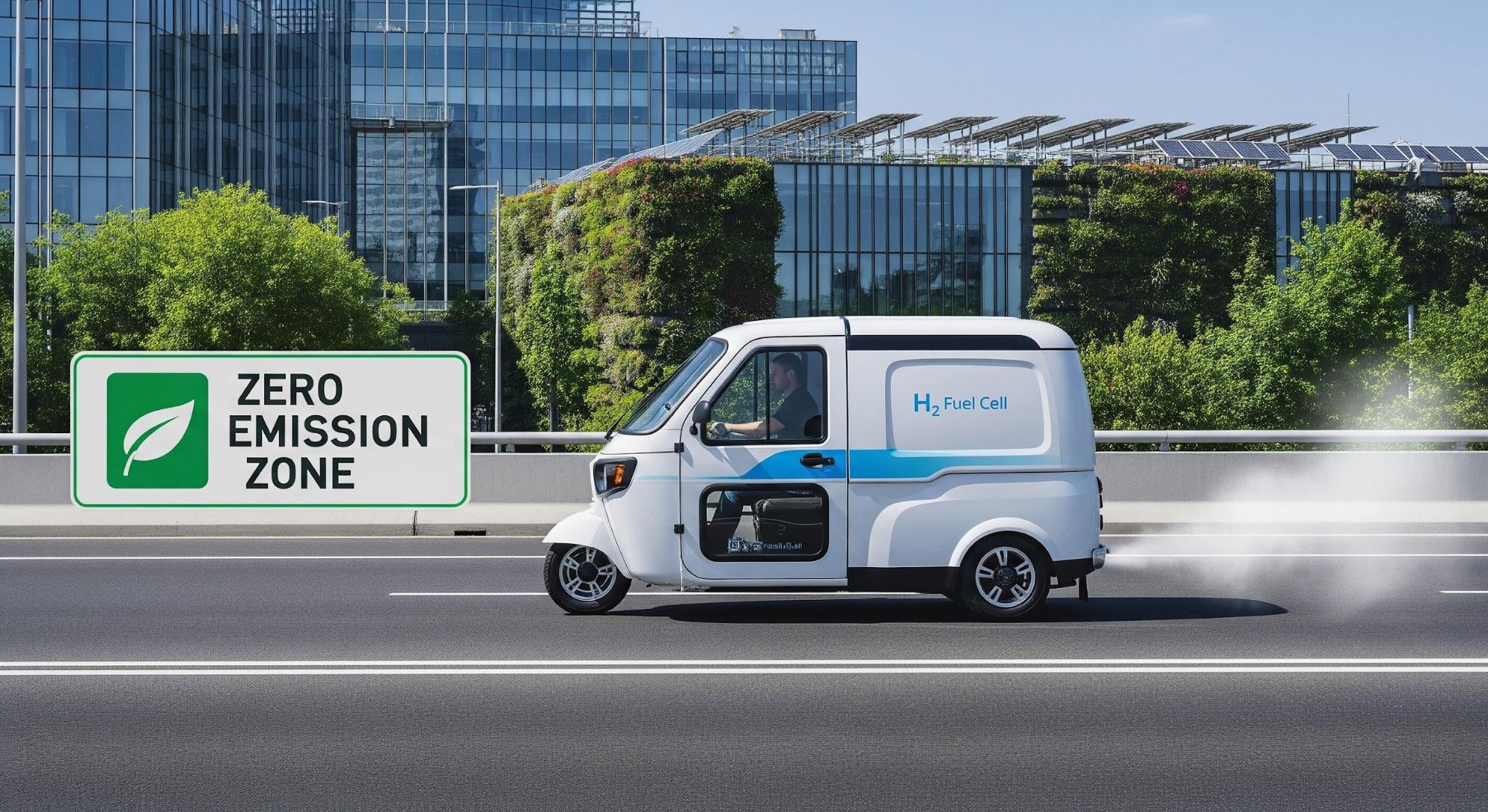
Zero-emission hydrogen fuel cell vehicles help 3-wheeler fleets meet urban compliance standards without sacrificing uptime or range.
Key Takeaway
Hydrogen fuel cell vehicles powered by advanced hydrogen fuel cell technology are not just a sustainability initiative; they represent a strategic cost-optimization lever. By combining rapid refueling, extended range, simplified systems, higher efficiency, and regulatory readiness, hydrogen mobility enables fleets to protect margins while future-proofing large-scale operations.
TL;DR
- Faster refueling increases uptime and daily vehicle utilization.
- Longer range reduces interruptions and improves route continuity.
- Simplified systems powered by hydrogen fuel cells lower maintenance downtime.
- Efficient hydrogen fuel cells reduce fuel cost per kilometer.
- Hydrogen mobility stabilizes long-term energy spending.
- Zero-emission performance secures compliance and competitive advantage.
Reduce costs and increase uptime by transitioning to hydrogen-powered fleet solutions today.
FAQs
1. Is hydrogen really safe for commercial fleet operations?
Yes. Modern hydrogen fuel cells operate under certified safety standards, with monitored storage systems and automated pressure controls designed for real-world commercial use.
2. Is hydrogen infrastructure too complex or expensive for fleet deployment?
Not necessarily. Modular Hydrogen mobility ecosystems allow phased rollout at depots, reducing upfront infrastructure burden while enabling gradual scale-up based on fleet size.
3. Will fuel cell-powered commercial vehicles increase maintenance workload?
No. Hydrogen fuel cells have fewer moving parts than combustion engines, which typically results in lower servicing frequency, reduced downtime, and more predictable maintenance cycles.
4. Are hydrogen vehicles better than battery electric vehicles for fleets?
Hydrogen vehicles can be advantageous for fleets requiring long range, fast refueling, and high vehicle utilization. Battery-electric vehicles may be better suited for shorter routes with predictable charging schedules.
Reduce Operating Costs and Secure Long-Term Fleet Profitability
Hydrogen fuel cell vehicles help fleets control fuel expenses, increase uptime, and reduce maintenance disruptions. By adopting hydrogen fuel cell vehicles strategically, operators can stabilize long-term energy costs while protecting margins against regulatory and market volatility.
What you gain:
- Higher daily vehicle utilization
- Lower lifecycle maintenance costs
- Reduced fuel cost volatility
- Avoided grid upgrade and peak demand charges
- Incentive eligibility and regulatory readiness
Start Building a Cost-Optimized Hydrogen Fleet
Powered by MarketEngine from StartupWind