Top 5 Myths About Fuel Cell Technology Original Equipment Manufacturers (OEMs) Should Know the Truth About
Imagine a city full of 3-wheelers that refuel in minutes, stay on the road all day and leave only water vapor behind. That becomes possible with modern fuel cell technology.
Hydrogen is rapidly emerging as a practical alternative for 3-wheelers and small-format mobility. Today, hydrogen fuel cell technology is quietly transforming the 3-wheeler segment by delivering cleaner, quicker, and more reliable mobility than traditional options. Yet despite the advantages, many OEMs hesitate—not because of real limitations, but because of persistent myths surrounding fuel cell technology. These misconceptions slow adoption, increase time-to-market, and prevent OEMs from gaining early operational and economic advantages.
This article uncovers the most common misconceptions holding OEMs back and replaces them with verified insights, supported by engineering data, field trials, and global deployments of hydrogen fuel cell vehicles.
Before diving into each myth, here’s what’s often misunderstood:
- Fuel cell technology is too expensive
- Hydrogen fuel cell vehicles are unsafe
- Hydrogen-powered vehicles don’t offer enough range
- Hydrogen Infrastructure Is Too Difficult or Expensive to Build
- Hydrogen isn’t commercially ready for real-world use
Now, let’s clarify what’s real, and what’s not.
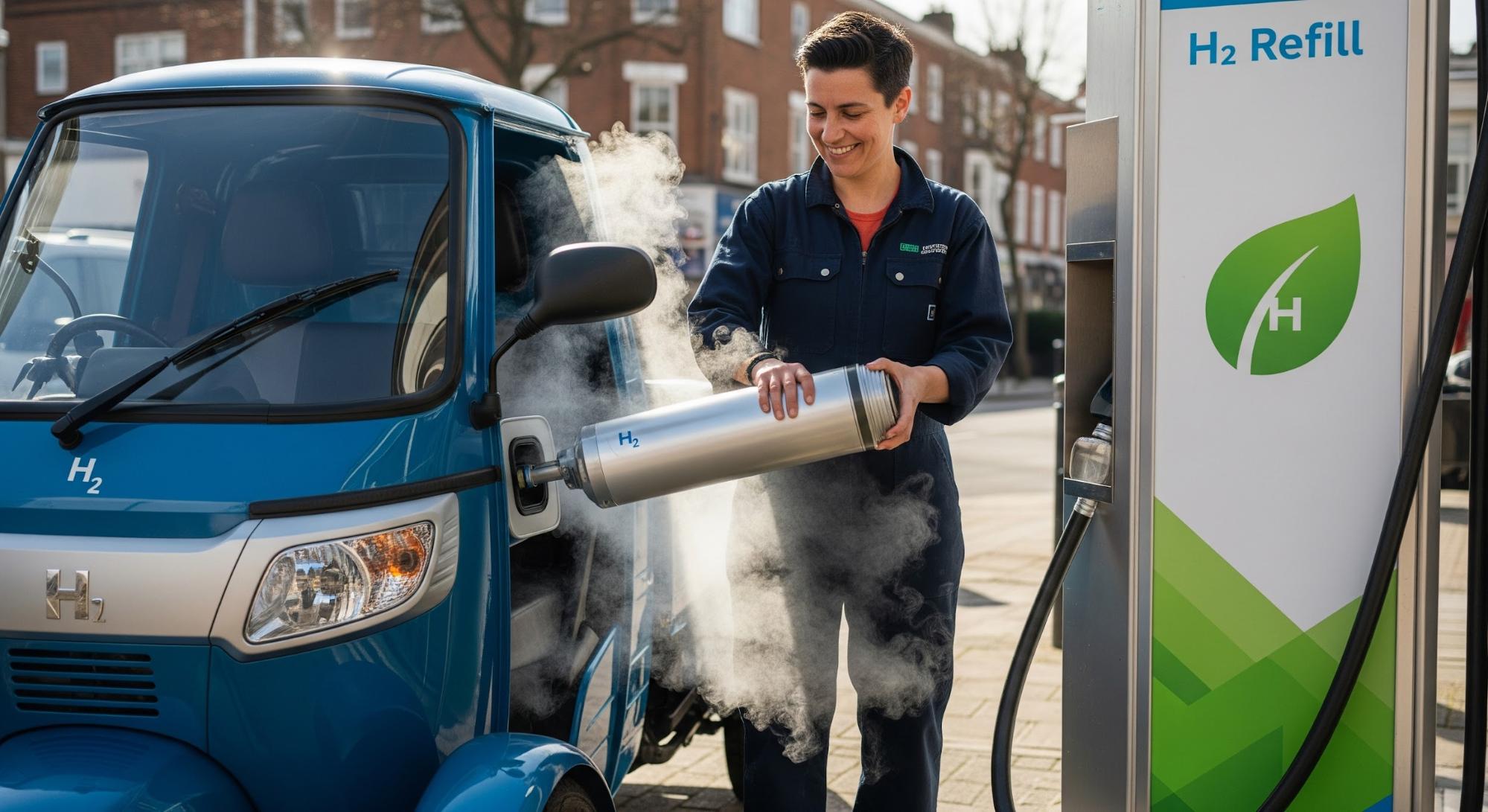
Hydrogen-powered three-wheelers offer quick, effortless refueling that keeps drivers on the road
Why Fuel Cell Technology Is More Ready and Relevant for OEMs Than Ever: 5 Myths Clarified
To move forward confidently, OEMs must uncover the facts behind today’s fuel cell technology. Exploring these truths clears away the misconceptions holding the industry back.
Myth #1: Fuel Cell Technology Is Too Expensive
What is it?
Many OEMs assume fuel cell systems require high-pressure tanks, expensive hydrogen transport, and complex integration, making them unaffordable for 3-wheeler platforms.
Why does it matter?
When cost assumptions remain rooted in legacy architecture, OEMs skip technologies that can actually improve economics. Atmospheric-pressure fuel cell systems reduce integration complexity and lower infrastructure costs, while hydrogen storage operates as per system-safe pressure requirements. Over a vehicle’s life, hydrogen-powered vehicles can deliver lower total cost of ownership than EVs or CNG, thanks to higher uptime, fewer battery replacements and less downtime. Evaluating within a complete hydrogen fuel cell ecosystem reveals hidden cost advantages that many OEMs overlook.
Real-World Example:
HyZero’s atmospheric-pressure 3 kW fuel cell system enables OEMs to run full PoC programmes at just 2–3% of historical hydrogen programme costs, proving cost-effectiveness even for small fleets.
HyZero’s atmospheric-pressure 3 kW fuel cell system enables OEMs to run full PoC programmes at just 2–3% of historical hydrogen programme costs, proving cost-effectiveness even for small fleets.
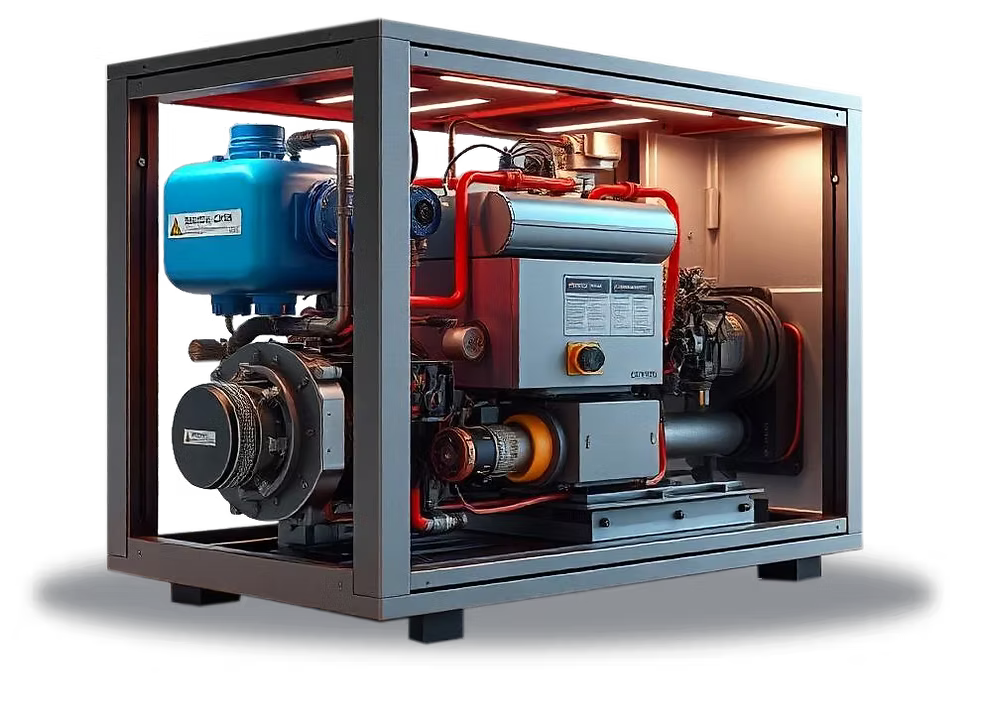
A modern modular hydrogen fuel cell system designed for efficient, low-pressure power generation, ideal for next-gen mobility applications.
Pro Tip:
Start with modular PoC kits that let OEMs validate performance and costs at minimal investment. Innovators like Hyzero offer plug-and-play PoC-ready kits within a complete hydrogen fuel cell ecosystem, enabling rapid evaluation and commercial readiness..
Myth #2: Hydrogen Fuel Cell Vehicles Are Unsafe
What is it?
The outdated belief that hydrogen must be stored at extremely high pressures, similar to industrial-grade cylinders, fuels misconceptions about safety.
Why does it matter?
Safety concerns are one of the biggest blockers for OEMs. Fuel cells operate at atmospheric pressure during conversion, and storage remains within certified safe limits supported by automated controls. This level of protection makes it easy for OEMs to transition to emission-free power solutions with confidence.
Real word example:
Global Hydrogen Review 2025 reports over 200 low-emission hydrogen projects underway worldwide, with the global database now tracking more than 1,000 hydrogen deployment entries across production, storage, and mobility. This growth clearly demonstrates that hydrogen systems are scaling safely and reliably in real-world applications.
Global Hydrogen Review 2025 reports over 200 low-emission hydrogen projects underway worldwide, with the global database now tracking more than 1,000 hydrogen deployment entries across production, storage, and mobility. This growth clearly demonstrates that hydrogen systems are scaling safely and reliably in real-world applications.
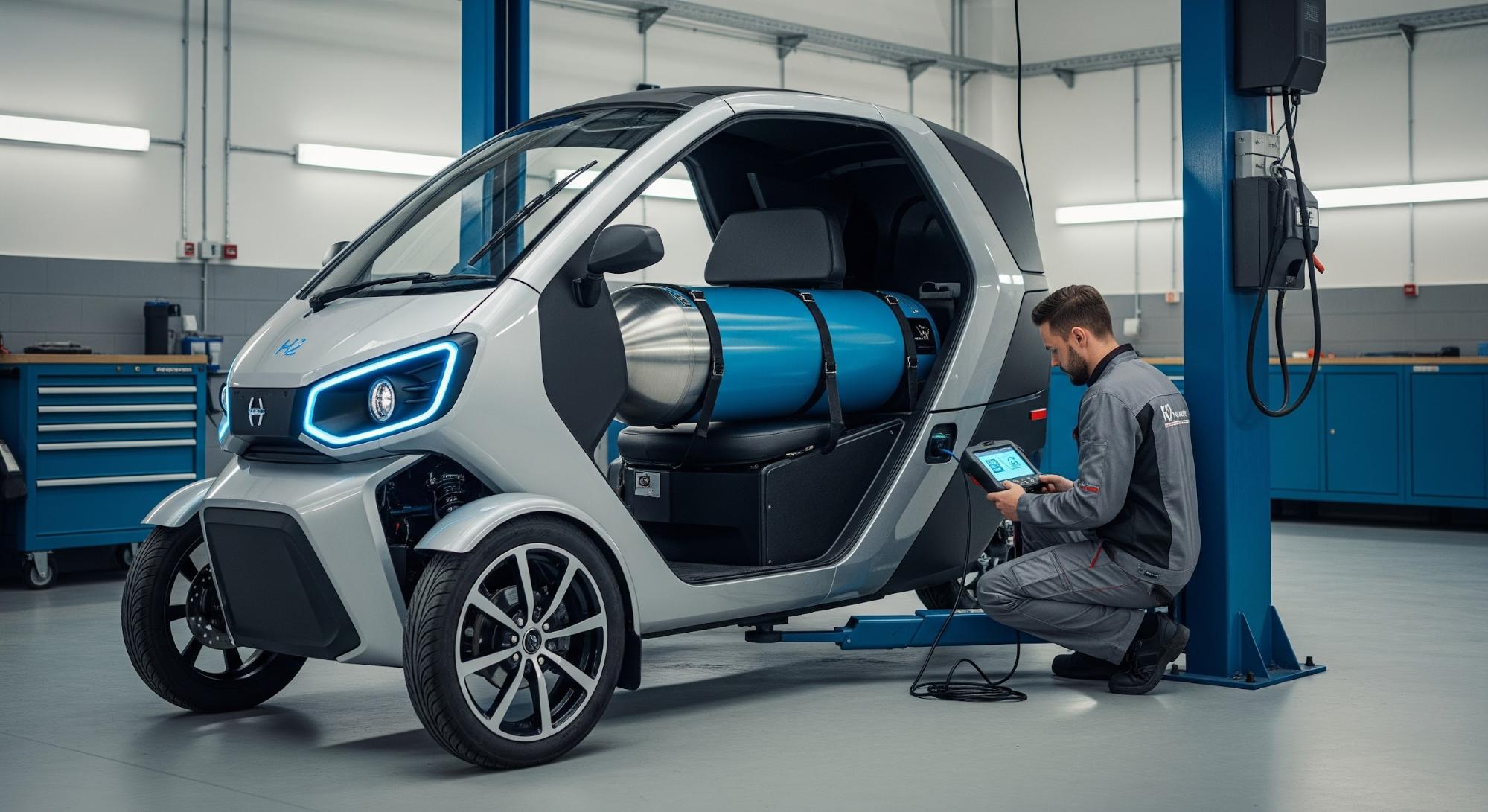
Modern safety controls and atmospheric-pressure systems make hydrogen vehicles safe for dense cities.
Prioritize atmospheric-pressure fuel cell systems to simplify safety certification and minimize engineering overhead. This approach shortens development cycles, reduces component complexity and enables faster homologation compared to traditional high-pressure systems.
Myth #3: Hydrogen-Powered Vehicles Don’t Offer Enough Range
What is it?
OEMs often assume hydrogen vehicles perform like EVs (Electric Vehicles), offering limited range and requiring long downtime between trips.
Why does it matter?
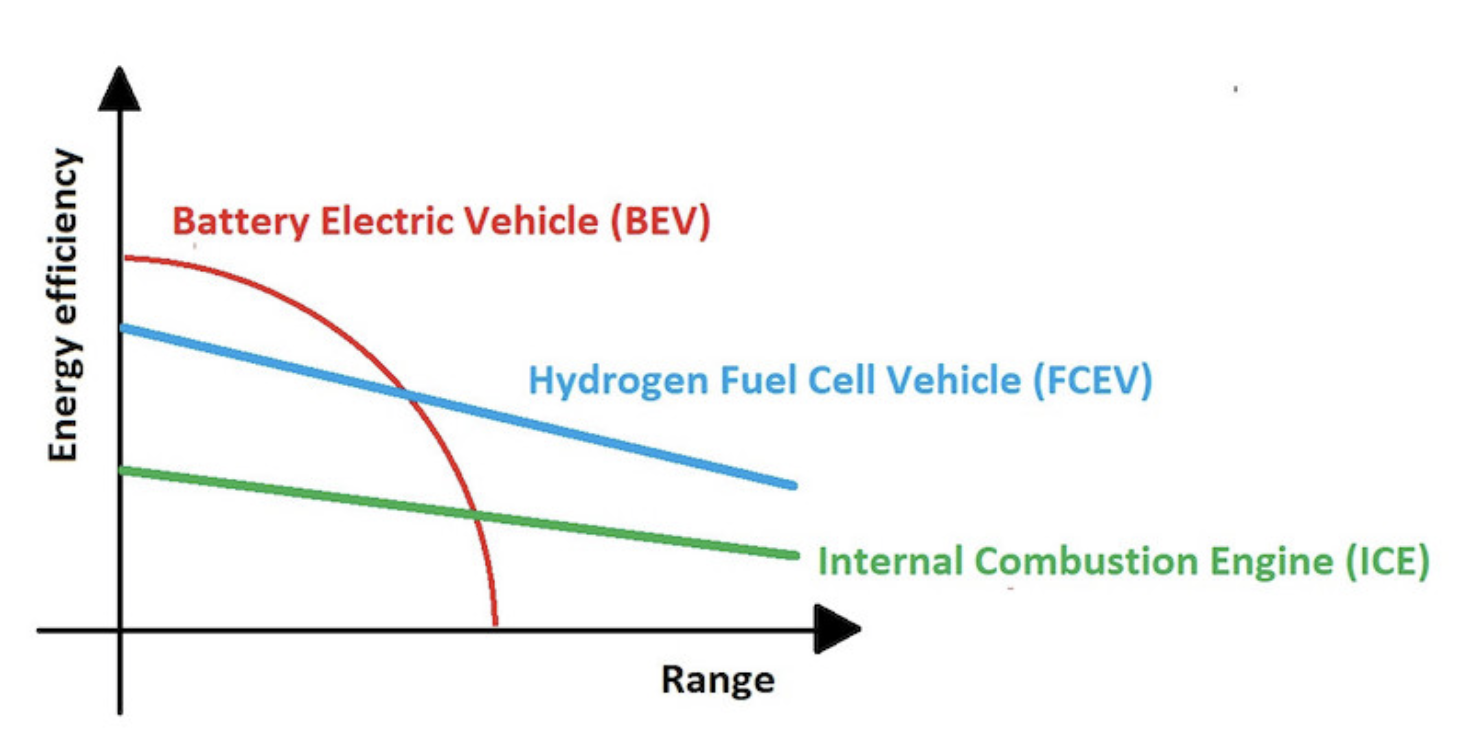
Range directly impacts revenue. Hydrogen-powered vehicles consistently deliver higher daily range and fast refuelling, enabling drivers to stay on route longer and fleets to maximise utilisation. This improved operational performance translates into higher asset productivity and stronger business metrics. With advancements in fuel cell technology, range capabilities for small-format commercial vehicles have improved significantly. For OEMs offering small-format mobility, integrating mobility solutions that leverage hydrogen makes strategic sense.
Real-World Example:
The U.S. Department of Energy highlights that modern hydrogen fuel cell vehicles consistently achieve 300+ miles of real-world range and refuel in under 5 minutes, showing that hydrogen easily supports long, high-utilization duty cycles.
The U.S. Department of Energy highlights that modern hydrogen fuel cell vehicles consistently achieve 300+ miles of real-world range and refuel in under 5 minutes, showing that hydrogen easily supports long, high-utilization duty cycles.
Pro Tip:
Use swappable hydrogen cartridges or micro-refill stations along high-traffic routes to keep vehicles running with minimal downtime. This quick-turnaround model supports high-utilization fleets and avoids long EV charging delays, helping OEMs maintain steady daily operations.For many operators, this is the clearest proof that hydrogen mobility solves the range problem for small-format commercial vehicles.
Myth #4: Hydrogen Infrastructure Is Too Difficult or Expensive to Build
What is it?
Many manufacturers still imagine that hydrogen requires million-dollar refuelling stations and heavy industrial equipment, making it seem out of reach for small fleets and early pilots.
Why does it matter?
This misconception creates hesitation. Modern hydrogen ecosystems rely on simple, modular cartridge-based refuelling, local hydrogen generation, and low-complexity distribution aligned with fuel cell system requirements. Coupled with hydrogen infrastructure becomes practical and scalable.
Real-World Example:
The HyZero PoC advancing to ARAI and PESO review proves that hydrogen refueling and storage systems are already being validated for India’s roads. This removes one of the biggest doubts OEMs have, that infrastructure isn’t ready, because real systems are already under review.
Pro Tip:
Use modular refill points that integrate smoothly with your existing fuel cell system This phased setup lets OEMs launch pilots fast, avoid heavy infrastructure costs, and scale infrastructure naturally as real-world demand increases.
Myth #5: Hydrogen Isn’t Commercially Ready for Real-World Use
What is it?
OEMs often believe hydrogen is still a “future technology,” not ready for immediate product integration.
Why does it matter?
This delays pilots, slows innovation and prevents OEMs from capturing valuable early-mover advantages in hydrogen mobility. In reality, fuel cell technology has matured significantly and is being deployed across multiple mobility categories. OEMs who recognise that hydrogen platforms are now commercially viable can accelerate time-to-market and lead in emerging markets. Integrating innovative hydrogen products enables competitive edge and sustainability leadership.
Real-World Example:
Market analysis shows the global hydrogen fuel cell vehicle market exceeded USD 2.5 billion in 2025 and is projected to reach USD 133.9 billion by 2035, with a CAGR of 48.9%. This scale of market activity indicates that hydrogen-powered vehicles are no longer niche; they’re commercially viable and advancing rapidly, especially relevant for OEMs evaluating time-to-market.
Market analysis shows the global hydrogen fuel cell vehicle market exceeded USD 2.5 billion in 2025 and is projected to reach USD 133.9 billion by 2035, with a CAGR of 48.9%. This scale of market activity indicates that hydrogen powered vehicles are no longer niche; they’re commercially viable and advancing rapidly, especially relevant for OEMs evaluating time-to-market.
Image Source: Research Nester
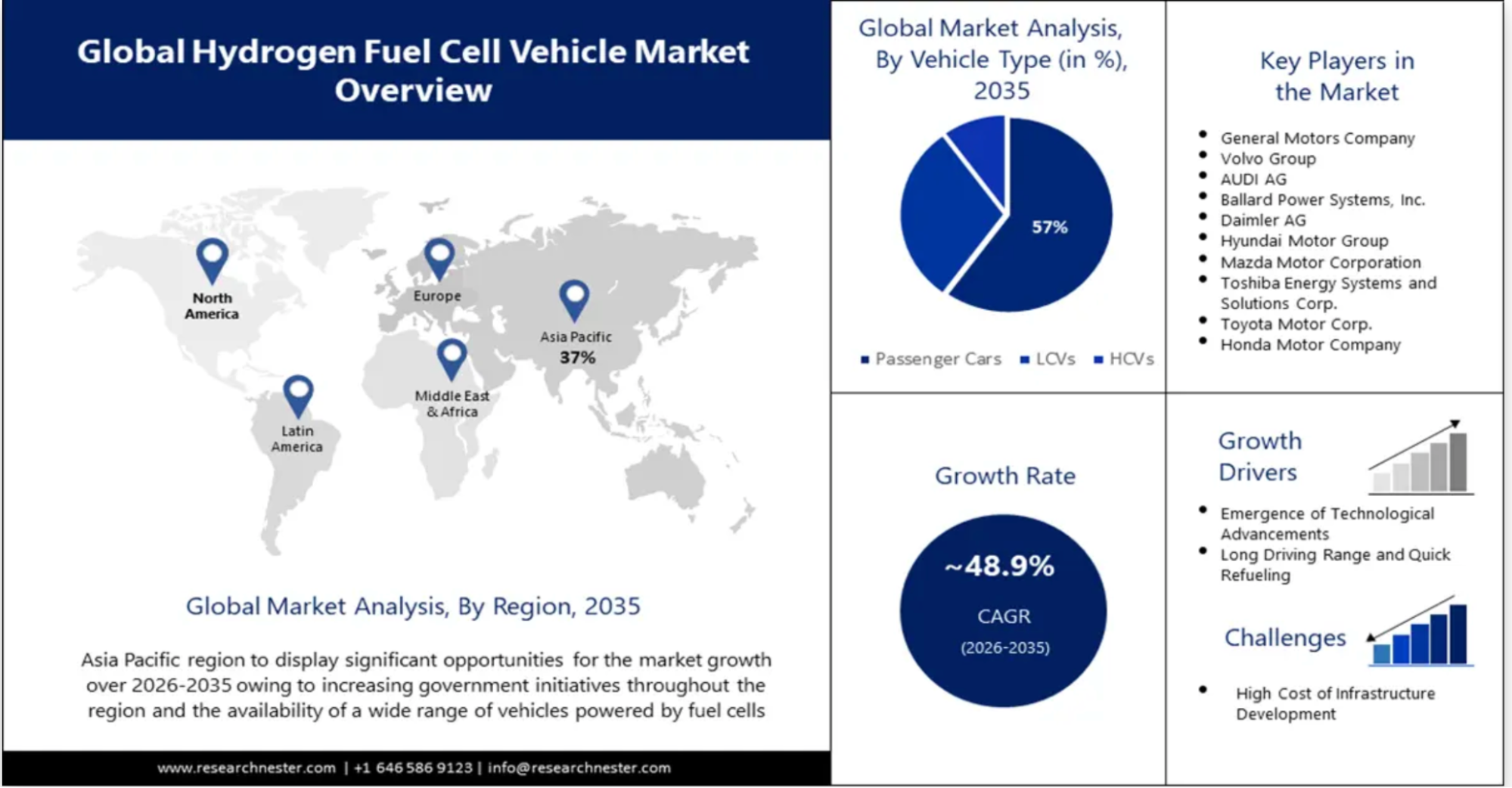
Global hydrogen fuel cell vehicle market overview showing regional market share, 2035 growth projections, key market players, CAGR of 48.9%, and vehicle type distribution.
Pro Tip:
Launch a small pilot fleet to validate real-world range, uptime, and fuel costs early. This controlled testing helps OEMs refine vehicle integration and reduces risk while preparing for broader adoption as hydrogen-powered vehicles gain market momentum.
Key Takeaway
Misconceptions, not actual limitations, are the biggest barriers slowing hydrogen adoption. Fuel cell technology today is proven to be safe, efficient, and commercially ready, offering strong range, quick refueling, and practical infrastructure options for OEMs. With real-world pilots showcasing reliability and performance, such as HyZero’s atmospheric-pressure fuel cell systems, OEMs who move beyond outdated myths and embrace the proven realities of hydrogen fuel cell vehicles gain a head start in clean mobility, lower operating costs, and a stronger long-term competitive position.
TL;DR
- Myths vs Reality: Most common concerns about hydrogen no longer apply to modern fuel cell systems.
- Safe by Design: Fuel cells use hydrogen at atmospheric pressure during operation, while storage remains at certified safe pressure levels to minimize high-pressure risks.
- Real-World Proof: HyZero’s 3 kW fuel cell pilots validate commercial performance for OEMs, showing how fuel cell technology is now practical even for compact fleets.
- Stronger Performance: Hydrogen-powered vehicles deliver long range and fast refueling.
- Scalable & Practical: Modular hydrogen ecosystems make infrastructure easy for any OEM to deploy.
Gain faster refueling, longer range, and lower fleet costs, begin your hydrogen journey today.
FAQs
Is fuel cell technology really too expensive for small-format
vehicles like 3-wheelers?
No. Costs have decreased significantly as fuel cells operate at atmospheric
pressure, storage uses certified safe pressures, and modular refueling
infrastructures reduce deployment costs.
Does hydrogen infrastructure require large or expensive refueling
stations?
No. Modern hydrogen ecosystems use compact cartridge-based refilling and localized
generation, making infrastructure simple to set up even for pilots. Providers like
HyZero now enable fast deployment of fuel cell technology without heavy investment
or complex industrial stations.
Do fuel cell vehicles require frequent maintenance?
No. Fuel cell technology has fewer moving parts than combustion engines, resulting
in lower maintenance needs and higher vehicle uptime.
Is fuel cell technology really too expensive for small-format vehicles like 3-wheelers?
No. Costs have decreased significantly as fuel cells operate at atmospheric pressure, storage uses certified safe pressures, and modular refueling infrastructures reduce deployment costs.
Does hydrogen infrastructure require large or expensive refueling stations?
No. Modern hydrogen ecosystems use compact cartridge-based refilling and localized generation, making infrastructure simple to set up even for pilots. Providers like HyZero now enable fast deployment of fuel cell technology without heavy investment or complex industrial stations.
Do fuel cell vehicles require frequent maintenance?
No. Fuel cell technology has fewer moving parts than combustion engines, resulting in lower maintenance needs and higher vehicle uptime.
Powered by MarketEngine from StartupWind