Local Biohydrogen Production for Low-Cost Fuel Cell Energy
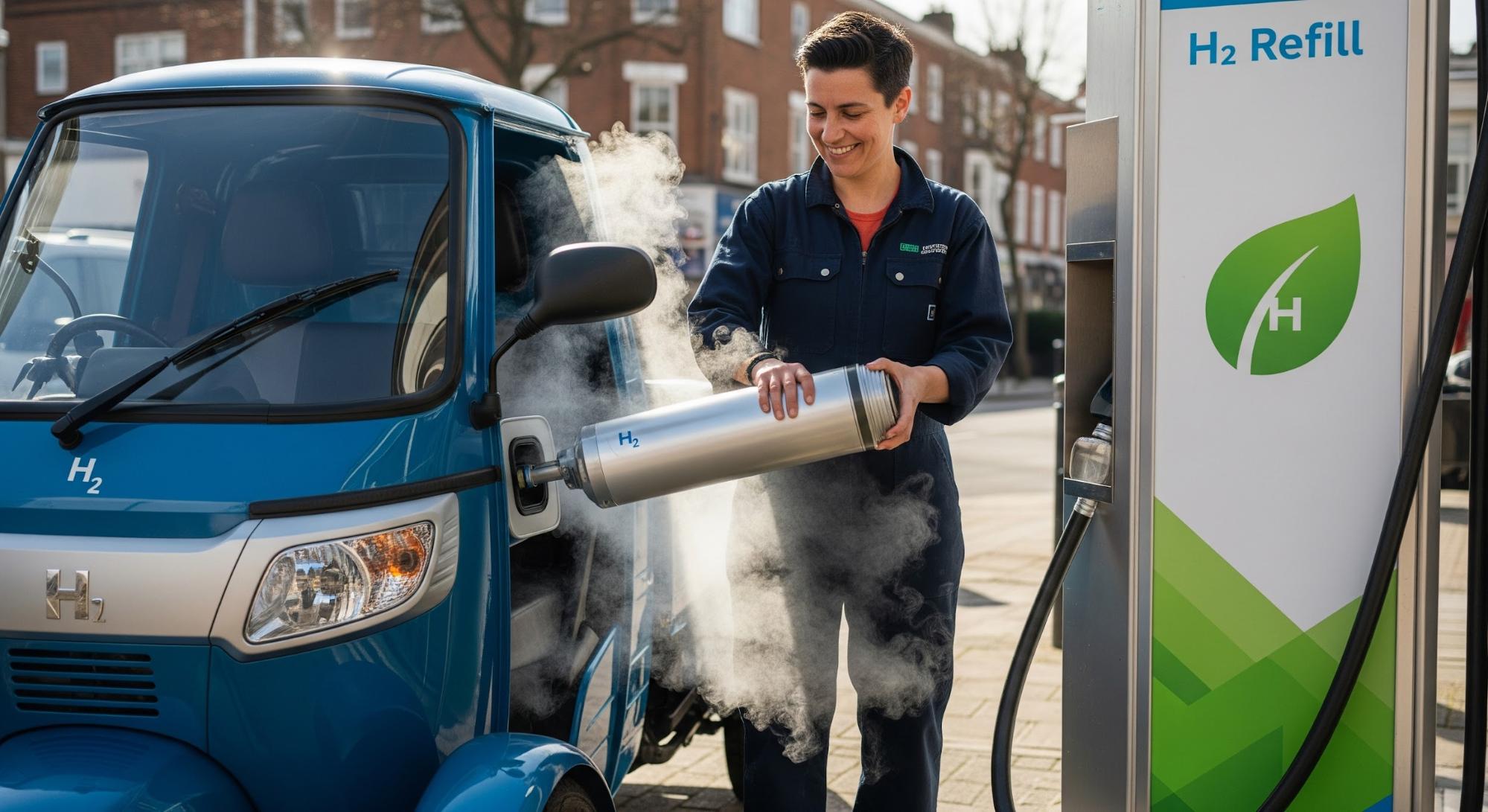
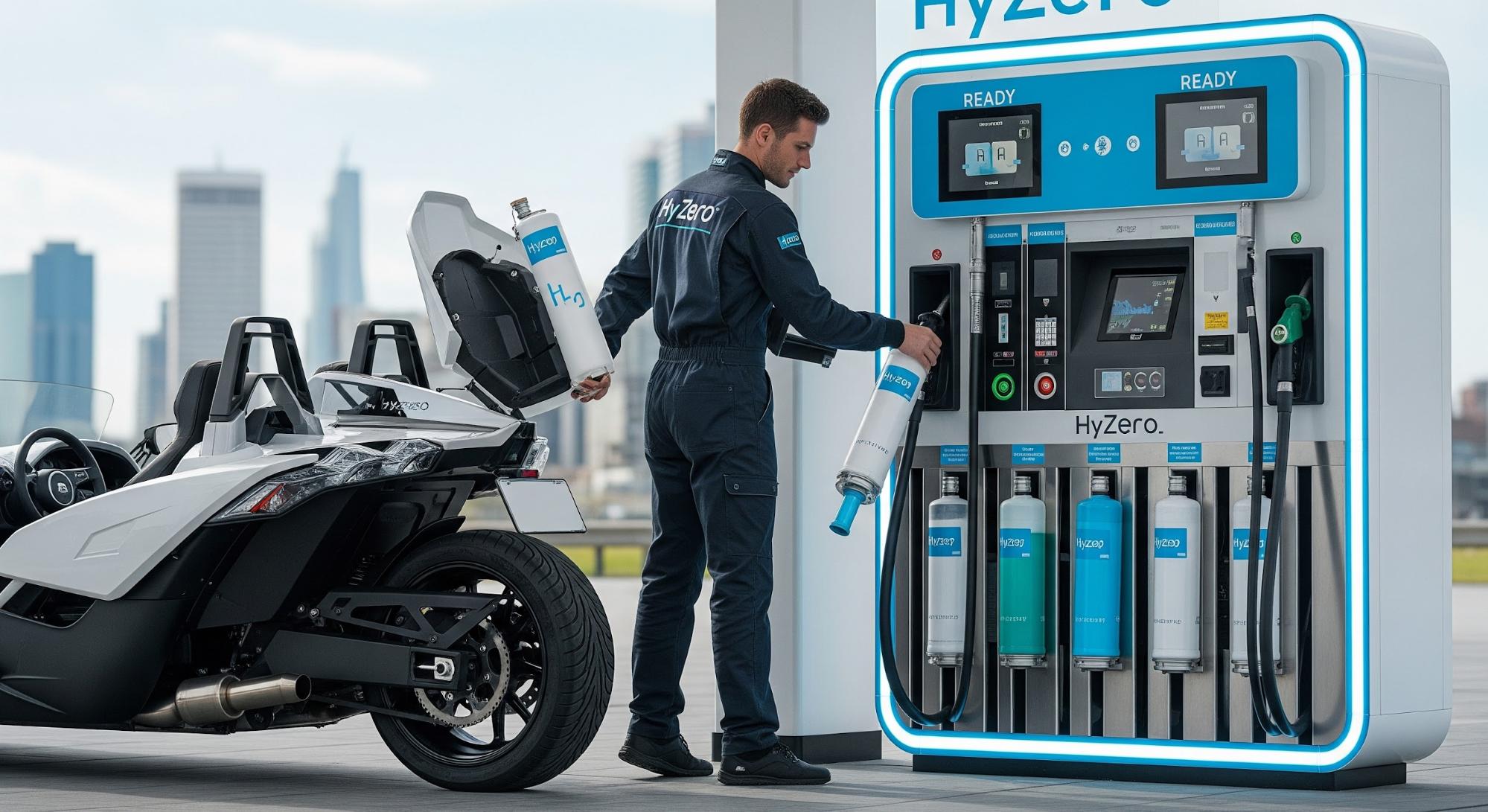
Refuel sustainably with HyZero’s waste-to-hydrogen system, delivering an affordable onsite supply that strengthens cleaner mobility for 3-wheelers.
Refuel sustainably with HyZero’s waste-to-hydrogen system, delivering an affordable onsite supply that strengthens cleaner mobility for 3-wheelers.
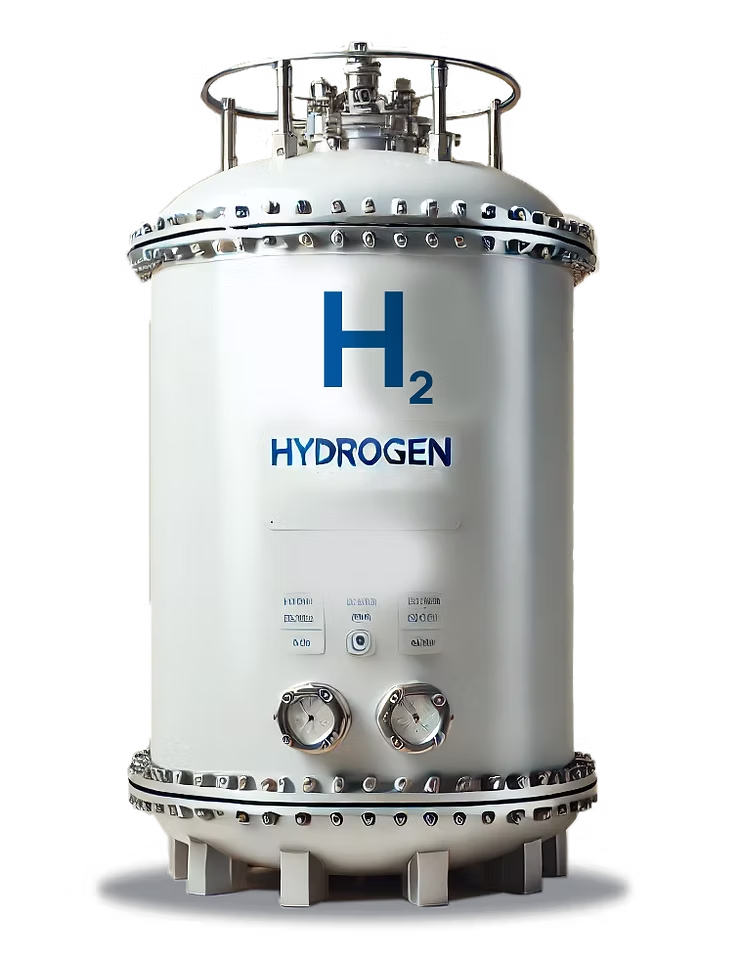
3-wheelers and micro-mobility fleets need hydrogen that is affordable, reliable, and renewable. High hydrogen fuel price, limited small-scale supply, and dependence on centralized production slow the adoption of clean hydrogen mobility. Local biohydrogen ensures a continuous, low-cost fuel supply specifically built for 1–10 kW vehicles.
HyZero powers the future of clean, portable mobility across industries

HyZero’s waste-to-hydrogen system converts agricultural and organic waste into clean hydrogen produced at atmospheric pressure, with storage and usage handled as per system requirements. Built for micro-mobility OEMs, it creates a complete, local fuel loop powering 3-wheelers efficiently and economically.
What the System Makes Possible

Renewable hydrogen generated locally using waste

Eliminates transport and compression cost, reducing fuel cost drastically

Produces clean hydrogen with near-zero operational emissions

Ensures continuous fuel access for pilots and micro-mobility fleets

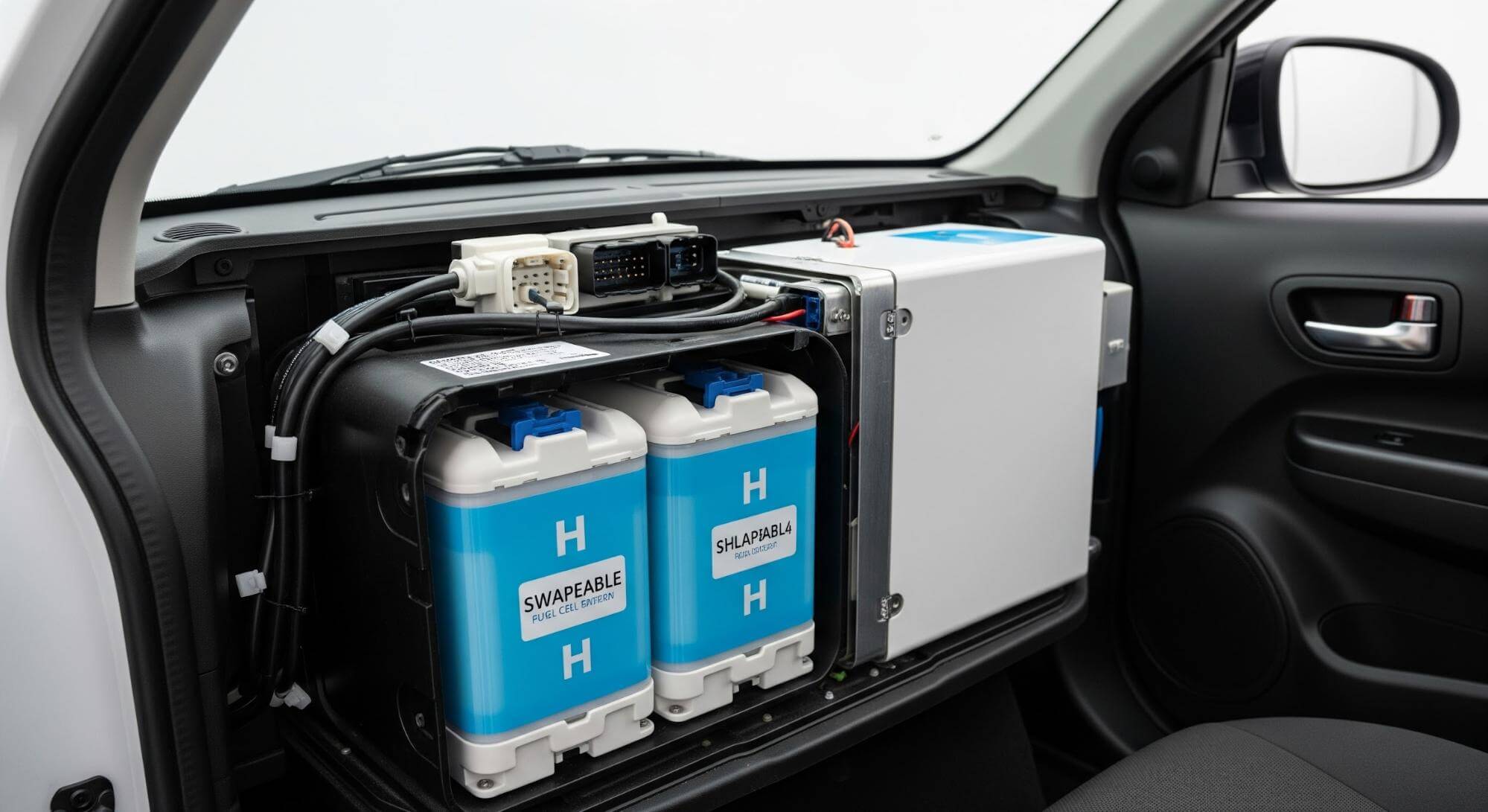
Direct pipeline connection to HyZero cartridges and refilling units
Local production removes transport, liquefaction, and high-pressure storage costs. Hydrogen is produced at atmospheric pressure , while storage and usage follow system requirements, reducing per-kilogram costs for 3-wheelers and micro-mobility fleets.
Yes. Biohydrogen is clean, stable, and fully compatible with 1–10 kW fuel cell systems. It delivers the purity and consistency required for efficient small-vehicle operations.
Yes. A local, renewable hydrogen source ensures steady availability and helps OEMs scale pilots, fleets, and long-term mobility programs without fuel interruptions. For example, HyZero’s biohydrogen system provides continuous atmospheric-pressure hydrogen built specifically to support 1–10 kW mobility deployments.
The system converts organic and agricultural waste into hydrogen through a controlled biochemical process. Hydrogen is produced at atmospheric pressure, while downstream storage and dispensing follow fuel cell system requirements.
Biohydrogen systems provide consistent, round-the-clock production, making them dependable for daily fleet requirements and long-term fuel cell energy operations.